
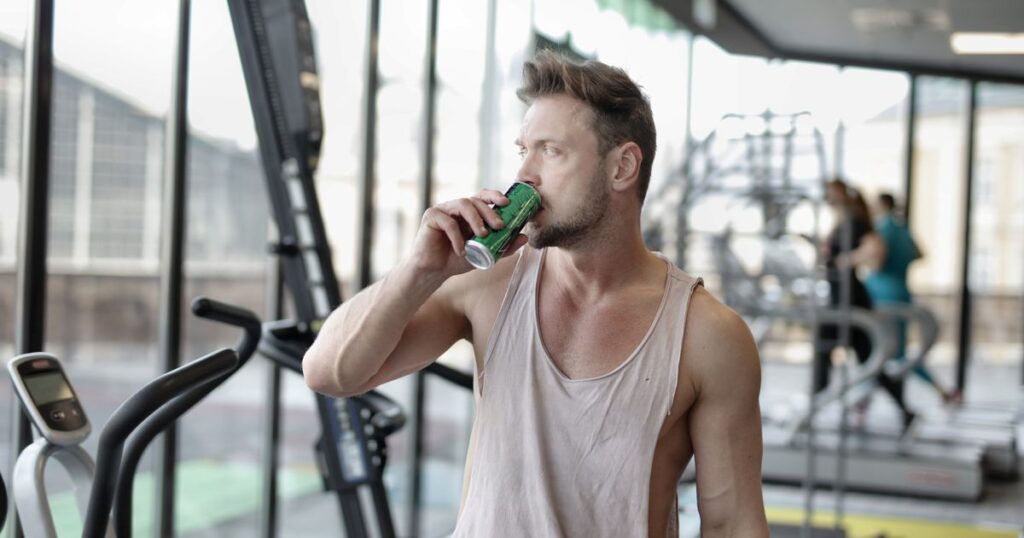
Energy drinks are now a $20-billion-a-year habit, sold next to the soda in every gas station and gym. A new study prepared for the American Heart Association’s biggest meeting of the year suggests some of those cans and pre-workout tubs deserve a closer look: in a US government safety database, cardiac arrest showed up about 11 times more often in reports involving caffeine- and stimulant-heavy products than in reports about other foods and drinks. Nearly half of the heart-related reports involved adults aged just 18 to 34.
Quick answer: The American Heart Association energy drink study, led by a University of Virginia researcher, analysed 28,345 FDA adverse-event reports from 2017 to 2025. Reports involving energy drinks or stimulant supplements were about 11 times more likely to mention cardiac arrest, 4.5 times more likely to mention a heart attack and about 4 times more likely to mention dangerous heart rhythms. About 45% involved adults aged 18 to 34. The findings are preliminary and show an association, not proof that the products caused these events.
What the new study found
The research will be presented at the American Heart Association’s Scientific Sessions 2026, which run November 6 to 9 in Chicago. The AHA released the findings early, on November 2, which is why the topic suddenly exploded on Google in the US.
The lead author is Sai Samayamanthula, a fourth-year medical student at the University of Virginia School of Medicine in Charlottesville. The team looked at an FDA database where consumers, doctors and manufacturers can voluntarily report health problems they think are linked to foods and dietary supplements.
How the study was done
The researchers pulled every report from 2017 to 2025 involving people aged 13 and older. That gave them 28,345 reports in total. They then split them into two groups:
- 854 reports mentioned energy drinks or dietary supplements containing caffeine or other stimulants.
- 27,491 reports involved products without those ingredients, such as soft drinks, meal-replacement shakes, protein bars, smoothies and vitamins.
Products were grouped by their ingredients, not by brand. The team tracked three families of stimulants: caffeine itself; methylxanthines such as theobromine, guarana, yerba mate, and green tea or coffee extracts; and sympathomimetics such as synephrine, yohimbine, ephedra, DMAA and higenamine, which often turn up in pre-workout and weight-loss products.
The key numbers
Compared with reports about other products, reports involving energy drinks and stimulant supplements were far more likely to mention a serious heart problem.
| Heart-related outcome | How much more often it was reported with stimulant products |
|---|---|
| Cardiac arrest | About 11 times |
| Heart attack | About 4.5 times |
| Ventricular arrhythmias or palpitations | About 4 times |
| Elevated heart rate | Nearly 3 times |
| Chest pain | 2.71 times |
| Fainting | About 2 times |
Two more details stood out. About 45% of reports linking these products to cardiovascular events involved adults aged 18 to 34, an age group that normally has a very low risk of heart attacks. And the pattern looked similar in men and women.
Why this is trending now
Several things pushed “American Heart Association energy drink study” into Google’s US trending list this week. The numbers are striking, the people most affected are young, and energy drinks are a huge, fast-growing market. According to the AHA, sales of caffeinated energy drinks more than doubled over the past decade and passed $20 billion in 2024.
There is also a regulatory angle. In the US, the FDA treats energy drinks and stimulant supplements as foods or dietary supplements, not as medicines. That means they do not go through the kind of premarket safety testing a new drug would. Doctors have published case reports over the years describing dangerous heart rhythms and sudden cardiac death in people who drank these products, many of them young adults with no known heart risks. This study is one of the larger attempts to look at the pattern across thousands of reports.
How much caffeine is too much?
The AHA’s 2026 scientific statement on caffeine and cardiovascular disease says up to 400 mg of caffeine a day is generally considered safe for most adults. That is roughly five 8-ounce cups of brewed black coffee.
The problem is that some products pack caffeine far more densely than coffee does:
- Some energy drinks contain up to 3 times more caffeine per fluid ounce than brewed coffee.
- Some pre-workout supplements contain more than 12 times as much caffeine per fluid ounce.
So a person who has a coffee in the morning, a large energy drink in the afternoon and a scoop of pre-workout before the gym can pass the 400 mg line without really noticing. Many of these products also stack caffeine with other stimulants, such as guarana or synephrine, which adds to the total effect on the heart.
Why young adults showed up so often
The researchers say they do not fully understand why adults aged 18 to 34 made up such a large share of the reports. They point to a few possible reasons:
- How often young adults use these products compared with older people.
- How they use them, for example right before intense exercise, or mixed with alcohol or drugs.
- Undiagnosed heart conditions that a person may not know about until a heavy stimulant load triggers symptoms.
Samayamanthula said the risk from occasional use by a healthy person is probably small, but that regular use can quickly push someone over the recommended daily caffeine limit. The team is calling for more systematic safety monitoring of these products, and for doctors to ask younger patients who come in with palpitations, chest pain or fainting whether they use energy drinks or stimulant supplements.
What the study cannot tell us
This is the part that is easy to miss in a viral headline. The study has real limits, and the researchers themselves spell them out:
- It shows an association, not cause and effect. It cannot prove that the drinks or supplements caused any of the heart events.
- The reports are voluntary. Anyone can submit one, and many events are never reported at all.
- There is no denominator. Nobody knows how many millions of people used these products without any problem, so the study cannot give an actual risk per can or per serving.
- Other factors, such as existing health conditions, other drugs or alcohol, may have played a role.
- It is preliminary. Abstracts presented at AHA meetings are not peer-reviewed and are considered preliminary until they are published as full papers.
Gregory M. Marcus, a cardiologist and professor of medicine at the University of California, San Francisco, who chaired the 2026 AHA caffeine statement and was not involved in the study, said the findings raise concerns about very high-caffeine products, while stressing that the study does not prove causation and that more research is needed.
In other words, the right reading is not “one energy drink will stop your heart”. It is that very strong stimulant products appear far more often than expected in reports of serious heart events, and that this is worth taking seriously, especially for heavy users.
Practical takeaways if you drink energy drinks
- Read the label. Check the milligrams of caffeine per can or per scoop, not just the serving size. Add up everything you have in a day, including coffee, tea and soda.
- Watch the extra stimulants. Ingredients like guarana, yerba mate, synephrine or yohimbine add to the stimulant load and are not always counted in the headline caffeine figure.
- Be careful around hard exercise and alcohol. The researchers specifically flagged use before intense workouts and mixing with alcohol or drugs as possible risk factors.
- Take symptoms seriously. Racing heartbeat, chest pain, palpitations or fainting after a stimulant product are reasons to stop and see a doctor, and to tell them exactly what you took.
- Talk to a doctor if you have a known heart condition, high blood pressure or a family history of sudden cardiac death before using high-caffeine products.
If you are curious about how everyday medicines and chemicals act on the body, our explainer on how a painkiller knows where it hurts covers the science in plain language.
What happens next
The full findings will be presented in Chicago during Scientific Sessions 2026 (November 6 to 9). The next step for the research team is to publish a full, peer-reviewed paper, which would give other scientists a chance to check the methods. The authors also want more systematic monitoring of energy drinks and stimulant supplements, and more studies that can measure actual risk rather than counting reports. Whether US regulators respond with any new labelling or rules remains to be seen; nothing of that kind has been announced.
Disclaimer: This article is for general information only and is not medical advice. If you have symptoms such as chest pain, a racing heartbeat or fainting, seek medical care promptly.
Frequently asked questions
What did the American Heart Association energy drink study find?
Looking at 28,345 FDA adverse-event reports from 2017 to 2025, it found that reports involving energy drinks or stimulant supplements mentioned cardiac arrest about 11 times more often, heart attack about 4.5 times more often and ventricular arrhythmias or palpitations about 4 times more often than reports about other products.
Does this mean energy drinks cause cardiac arrest?
No, not on its own. The study shows an association in voluntary reports. It cannot prove cause and effect, and it does not know how many people used these products safely. The lead author said the risk from occasional use by healthy people is probably small.
How much caffeine is safe per day?
The AHA’s 2026 scientific statement says up to 400 mg a day is generally safe for most adults, about five 8-ounce cups of brewed coffee. Some energy drinks and pre-workout supplements are much more concentrated than coffee, so the limit can be reached quickly.
Who was most affected in the reports?
About 45% of reports linking these products to heart problems involved adults aged 18 to 34. The pattern was similar for men and women.
Is the study peer-reviewed?
Not yet. It is an abstract for AHA Scientific Sessions 2026 in Chicago (November 6 to 9). AHA meeting abstracts are considered preliminary until published as a full peer-reviewed paper.
Sources: American Heart Association Newsroom, NBC News, U.S. News & World Report (HealthDay), Medical Xpress.