The Quick Summary
The Event: Iran has implemented a $2 million “transit fee” per vessel or “selective closure” for hostile nations in the Strait of Hormuz.
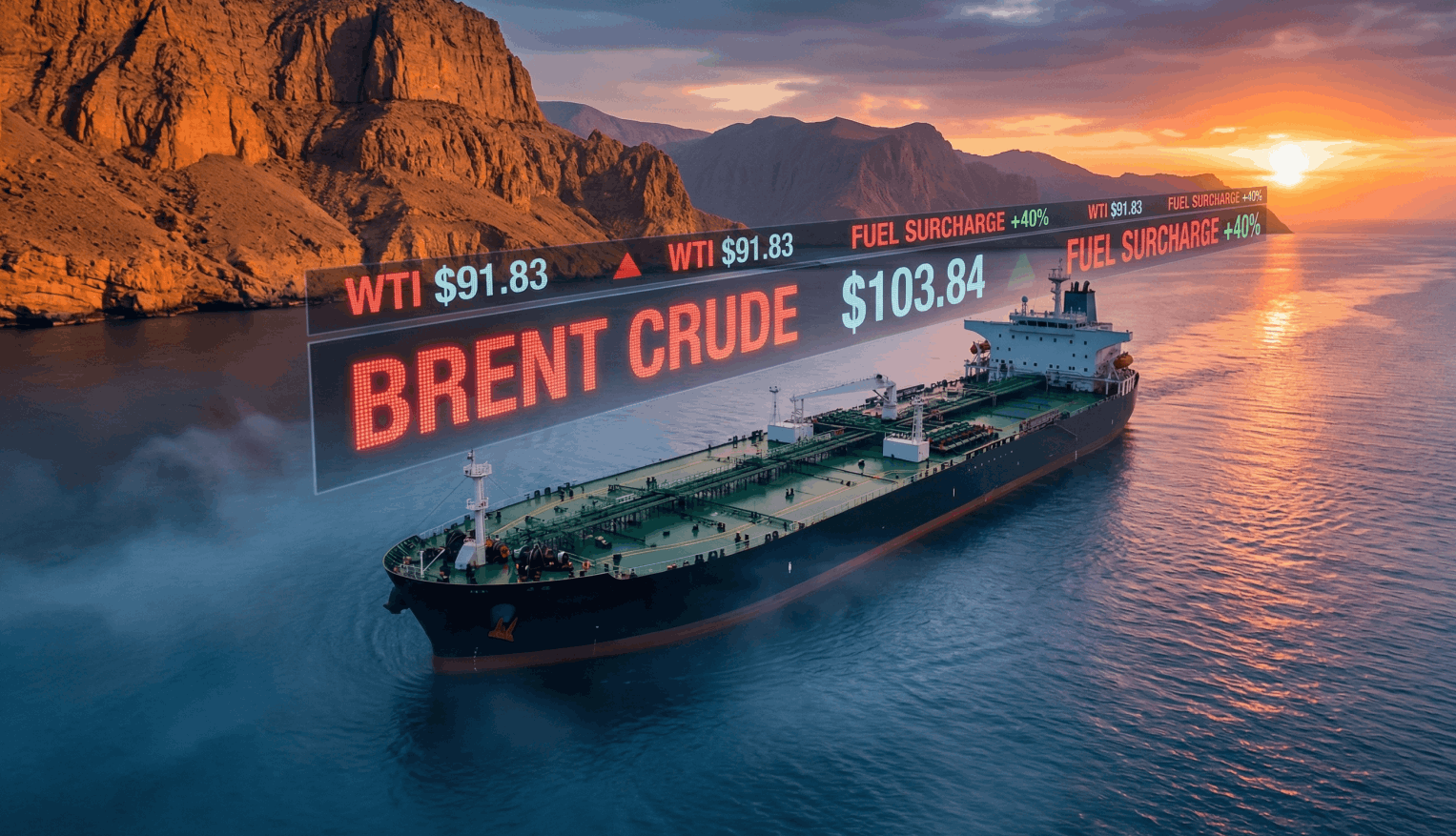
The Impact: Global oil benchmarks (Brent) have surged past $103/barrel, with physical oil premiums hitting even higher levels.
The Result: Expect a 20–30% increase in gas prices, higher airfares, and a surge in the cost of groceries due to fertilizer shortages.
What is the “Hormuz Toll”?
The Strait of Hormuz oil crisis 2026 took a dramatic turn this week. Beyond the military standoff, a new economic weapon has emerged: the “War Transit Fee.” Iranian officials are reportedly charging vessel operators up to $2 million per passage to fund “regional security.”
For ships that won’t—or can’t—pay, the alternative is a 10-day detour around the Cape of Good Hope. This adds 8,000 nautical miles to the journey, causing a massive “supply shock” that is disconnecting the paper market from the physical reality of oil availability.
How the Oil Price Spike Affects You
The disruption of this narrow chokepoint—which handles 20% of the world’s oil—is triggering a domino effect across several industries:
1. Skyrocketing Gas and Energy Prices
With Brent crude trading at $103.84 and WTI at $91.83, the “fear premium” is officially priced in. In the US, gas is nearing $4.50 per gallon, while in Europe and Australia, prices at the pump have jumped by nearly 40 cents per liter in just 14 days.
2. The Fertilizer & Food Connection
Surprisingly, the Strait of Hormuz oil crisis 2026 is also a food crisis. The region exports 30% of the world’s nitrogen fertilizer (Urea).
- Urea prices: Up 28% this month.
- Impact: Higher farming costs mean your grocery bill for corn, wheat, and dairy will likely rise by late summer.
3. Global Logistics & “Stagflation”
Major shipping lines are adding “Emergency Risk Surcharges.” This means everything from electronics to clothing imported via sea freight will see a price hike. Economists warn of stagflation—a period of low growth and high inflation—if the strait remains restricted for more than four weeks.
| Commodity | Pre-Crisis Price | Current Price (March 26) | % Change |
| Brent Crude | $72.00 | $103.84 | +44% |
| Urea (Fertilizer) | $516/MT | $683/MT | +32% |
| Jet Fuel | $140/bbl | $205/bbl | +46% |
Is There an End in Sight?
President Trump has proposed a 15-point peace plan to reopen the waterway, but Tehran has currently rejected the overture, demanding “sovereign control” and an end to regional strikes. As long as the Strait of Hormuz oil crisis 2026 persists, the “Hormuz Toll” will remain a permanent fixture in the global inflation narrative.
Internal Link Suggestion: Check out our latest articles.