More than a decade after the Takata scandal began, the story has a new twist. Honda and Toyota are recalling about 1.6 million vehicles because their Takata airbag inflators could rupture in a crash, and this time the parts involved are the kind that were long thought to be safer. If you drive an older Honda Civic, Accord or CR-V, a Toyota Corolla or certain Lexus models, the Honda recall airbags news is worth two minutes of your time.
Quick answer: Honda is recalling 810,592 older Honda and Acura vehicles in the US, and Toyota about 790,000 Toyota and Lexus vehicles worldwide, including 314,029 in the US. The Takata inflators’ propellant may degrade with age, heat and humidity and could rupture when the airbag deploys. No ruptures, crashes or injuries have been linked to these vehicles. The fix is free at dealers; check your car at nhtsa.gov/recalls with your 17-digit VIN.
What happened
On Friday, November 20, 2026, Honda and Toyota confirmed recalls covering roughly 1.6 million cars, trucks and SUVs, and the US National Highway Traffic Safety Administration (NHTSA) published details the same evening. Toyota had first announced its part, about 314,000 US vehicles, on November 12 from its headquarters in Plano, Texas.
Both automakers stressed that these are precautionary recalls. NHTSA said that “Honda and Toyota saw early evidence of degradation risk in certain of their vehicles and are currently conducting proactive recalls of vehicles,” and added that other automakers are still analysing and testing their inflators.
Why this Takata recall is different
Takata inflators use a chemical called ammonium nitrate to fill the airbag with gas in a split second. Over many years of heat swings and humidity, that propellant can break down and burn too fast. The pressure can then burst the metal housing and spray sharp fragments into the cabin.
Earlier recalls focused on inflators without a drying agent. The vehicles in this new recall have inflators that contain a moisture-absorbing material, or desiccant, which was meant to stop that breakdown. NHTSA said independent testing and degradation simulation models showed these parts may also age badly, which let the automakers act before any real-world failures. That is why the news is getting so much attention: it widens a crisis many owners assumed was over.
For context, Takata airbag inflators have been linked to at least 28 deaths and more than 400 injuries in the US since 2009. All of those deaths involved inflators without a drying agent, and at least 20 occurred in Honda vehicles.
Which Honda and Acura models are affected
Honda’s recall covers 810,592 vehicles in the United States:
- Some 2012–2013 Honda Civic
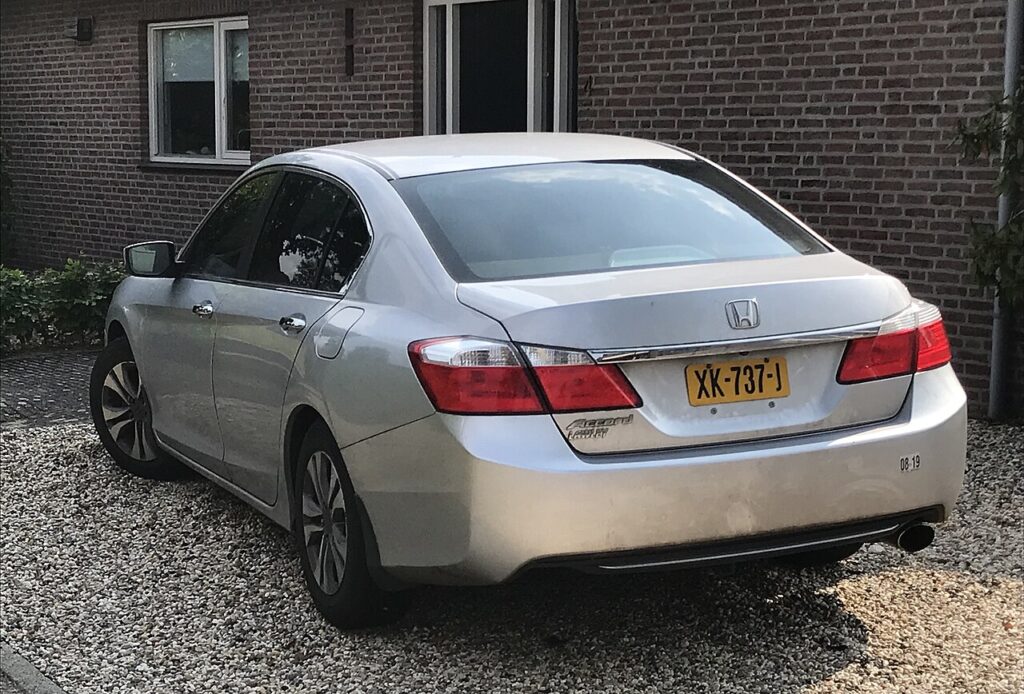
- Some 2013 Honda Accord
- Some 2012–2013 Honda CR-V
- Some 2013 Acura ILX
- Some 2013 Acura RDX
Important: Honda’s recall only applies to vehicles originally sold or registered in 14 hot, humid states and territories: Alabama, California, Florida, Georgia, Hawaii, Louisiana, Mississippi, South Carolina, Texas, Puerto Rico, the US Virgin Islands, the Northern Mariana Islands (Saipan), Guam and American Samoa.
Which Toyota and Lexus models are affected
Toyota’s US recall (NHTSA campaign 26V748000) covers 314,029 vehicles with certain Takata front passenger airbag inflators, fitted either at the factory or as a replacement part during an earlier recall. Worldwide, Toyota is recalling about 790,000 vehicles.
| Brand | Model | Model years | Airbag involved |
|---|---|---|---|
| Honda | Civic | 2012–2013 | Takata inflator (with desiccant) |
| Honda | Accord | 2013 | Takata inflator (with desiccant) |
| Honda | CR-V | 2012–2013 | Takata inflator (with desiccant) |
| Acura | ILX | 2013 | Takata inflator (with desiccant) |
| Acura | RDX | 2013 | Takata inflator (with desiccant) |
| Toyota | Corolla | 2003–2008 | Front passenger |
| Toyota | Tundra | 2005–2006 | Front passenger |
| Toyota | Sequoia | 2005–2007 | Front passenger |
| Toyota | 4Runner | 2016–2017 | Front passenger |
| Lexus | SC430 | 2002–2010 | Front passenger |
| Lexus | IS250 | 2011 | Front passenger |
| Lexus | GX460 | 2017 | Front passenger |
Only certain vehicles within each model and year are included, so the model list alone does not tell you whether your car is affected. A VIN check does.
“My airbag was already replaced.” Am I safe?
Not necessarily. Toyota says some vehicles that already received a new passenger airbag under an earlier Takata recall may still need this repair, because the replacement part itself is now in scope. Run the VIN check even if you have had airbag work done before.
How to check your car and get it fixed
- Find your VIN. It is the 17-character number on the driver’s side of the dashboard (visible through the windscreen), on the driver’s door jamb, and on your registration and insurance documents.
- Look it up. Enter it at nhtsa.gov/recalls, or on Honda’s, Acura’s, Toyota’s or Lexus’s own recall pages. Results show any open recall on that exact vehicle.
- Wait for or act on the letter. NHTSA says owners will be contacted by mail and asked to take the vehicle to an authorised Honda, Acura, Toyota or Lexus dealer.
- Book the free repair. Dealers will replace the inflator, or the whole airbag assembly depending on the model, at no cost. Toyota expects replacement inflators to be ready by early 2027; Honda has not given a firm date for its parts.
- Still unsure? Honda’s customer service line is 888-234-2138, and Toyota’s is 1-800-331-4331.
Neither company has issued a “do not drive” warning for these vehicles. If you are worried in the meantime, ask your dealer for advice when you book.
The Takata story so far
The Takata recall is the largest auto safety recall in US history. Over the past decade, about two dozen automakers have recalled more than 100 million vehicles worldwide with Takata inflators, including roughly 67 million in the United States. Takata went bankrupt in 2017, but the parts it made are still in millions of cars on the road, and because the risk grows with age, recalls keep arriving.
| Key fact | Figure |
|---|---|
| Honda vehicles recalled (US) | 810,592 |
| Toyota/Lexus vehicles recalled (worldwide) | About 790,000 |
| Toyota/Lexus vehicles recalled (US) | 314,029 |
| Ruptures linked to these vehicles | None reported |
| US Takata deaths since 2009 | At least 28 |
| Vehicles recalled for Takata worldwide | More than 100 million |
What happens next
Expect more of these “age-based” recalls. NHTSA said other carmakers are still testing their desiccated inflators, so additional brands could follow if their data shows similar ageing. For Honda and Toyota owners, the key steps are simple: check the VIN, watch the mailbox, and book the repair as soon as parts are available. Older vehicles bought second-hand are the ones most likely to slip through, so if you have sold or bought a used car from these years, a quick lookup is worth it.
Car tech is changing fast in other ways too. If you are thinking about a newer vehicle, our guide to why electric cars lose range in winter covers one of the biggest questions buyers ask.
Note: This article is general information, not legal or safety advice for a specific vehicle. Always rely on the official recall notice for your VIN.
Frequently asked questions
Which Honda cars are in the new airbag recall?
Some 2012–2013 Civic and CR-V, 2013 Accord, and 2013 Acura ILX and RDX models originally sold or registered in 14 hot, humid US states and territories.
Is my Toyota Corolla part of the recall?
Certain 2003–2008 Corollas are included, along with some Tundra, Sequoia, 4Runner and Lexus models. Enter your VIN at nhtsa.gov/recalls to be sure.
Does the Takata airbag repair cost anything?
No. Dealers replace the inflator or the airbag assembly free of charge.
Has anyone been hurt by these specific airbags?
Honda and Toyota say there have been no ruptures, crashes or injuries tied to the vehicles in this recall. It was issued because testing showed the parts may degrade over time.
Why are cars still being recalled for Takata airbags?
The propellant breaks down slowly with heat and humidity, so the risk grows as cars age. New testing found that even inflators with a drying agent can be affected, which brought more vehicles into scope.
Sources: NHTSA, Reuters (via AOL and Star-Advertiser), Toyota Motor North America, Cars.com, CarBuzz, AutoGuide, Yahoo Autos, Newser, Paul Tan.